
The Idoma people are one of the major ethnic groups in Benue State, Nigeria, known for their rich cultural heritage, deep spiritual beliefs, and long history of migration.
From their ancestral origins and traditional governance to marriage rites, festivals, attire, and the revered Alekwu ancestral spirit, Idoma culture reflects resilience, identity, and continuity.
This detailed guide explores everything you need to know about the Idoma tribe, offering clear, well-structured insights for researchers, students, and culture enthusiasts.
Where Are the Idoma People Located in Nigeria?
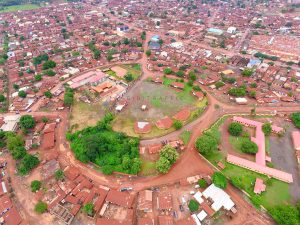
The Idoma homeland (Idomaland) lies south of the River Benue, within the Benue River Valley and parts of the Cross River Basin. According to the 1991 census, the Idoma population exceeds one million people.
Geographical Boundaries of Idomaland
Idomaland covers about 5,955 square kilometres and is bordered by:
- North: River Benue
- South: Igbo and Ogoja lands
- East: Tiv and Igede lands
- West: Igala land
These boundaries were firmly established by the mid-19th century and remain largely unchanged.
Physical Features and Climate of Idomaland
Idomaland’s landscape is diverse and agriculturally significant.
1. Major Landforms
- Benue floodplains (seasonally flooded between August and October)
- Northern escarpments of Agatu
- Hilly eastern terrain, rising over 500 metres above sea level
Flat-topped ridges and gently rolling plains dominate areas such as Owukpa, Orokam, Otukpa, Ugboju, and Agatu.
2. Rivers and Water Systems
Key rivers include Ogbadibo, Okpokwu, Ogengen, Onyongo, Ombi, Ogoli, and Ogaji. In some western districts like Otukpo and Orokam, dry-season water scarcity historically led to the domestic use of palm wine.
3. Climate
Idomaland experiences:
- Wet season: April to October (peak rainfall in July and September)
- Dry season: November to March (harmattan winds)
Annual rainfall averages 1,016–1,524 mm, with temperatures ranging between 25°C and 35°C.
Natural Resources and Economic Life of the Idoma People
Idomaland is rich in minerals such as:
- Ironstone
- Limestone
- Gypsum
- Kaolin
- Coal
- Bauxite
Coal and limestone were mined during colonial times, while geological surveys suggest possible petroleum deposits in Apa LGA.
Agriculture as a Way of Life
Farming remains the backbone of the Idoma economy and culture. Common crops include:
- Yam and cocoyam
- Cassava and rice (introduced in the 19th century)
- Sweet potatoes and water yam
Traditional farming methods such as hoe cultivation and bush fallowing were widely practised.
Traditional Crafts and Industry
Idoma artisans excelled in:
- Blacksmithing (Ai-Onowa)
- Basket weaving
- Cloth weaving
- Wood carving
- Leatherwork
Blacksmiths held high social status and were celebrated in Alekwu chants and songs. Many of these crafts still survive today.
Origin and Migration History of the Idoma Tribe
The Akpoto Connection
Early scholars like S. Crowther (1854) linked the Idoma origins to the Akpoto, an ancient group believed to have occupied the Niger–Benue confluence.
However, the Idoma people reject the term Akpoto, considering it derogatory and historically misapplied.
Apa and the Kwararafa Confederacy
Idoma oral traditions trace their ancestry to Apa (Beipi), associated with the Kwararafa Confederacy, a powerful pre-colonial state in the Benue Valley.
The collapse of Kwararafa (15th–16th centuries), due to warfare and internal conflicts, triggered multiple waves of migration involving:
- Idoma
- Igala
- Igbirra
- Tiv
By the late 19th century, the Idoma had firmly settled in their present homeland.
Social and Political Organisation of the Idoma Tribe
Idoma society is organised around patrilineal descent known as Ipoopu, made up of lineages called Ipooma.
Key Political Institutions
- Ole: The family unit
- Ojila: Assembly of adult males (supreme decision-making body)
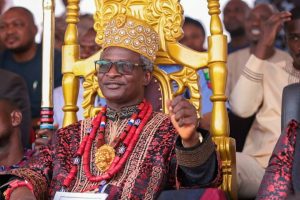
- Oche: King and spiritual leader
The Ojila operates on consensus democracy, blending elder authority with youth participation.
The Role of the Oche
The Oche (King) serves as both political and religious head, presiding over:
- Earth cults (Aje)
- Ancestral cults (Alekwu)
He wears symbolic regalia such as:
- Oka (coral bracelet)
- Akpa (royal stool)
- Okwute (staff)
- Ofula (red cap)
Idoma Traditional Attire and Symbolism

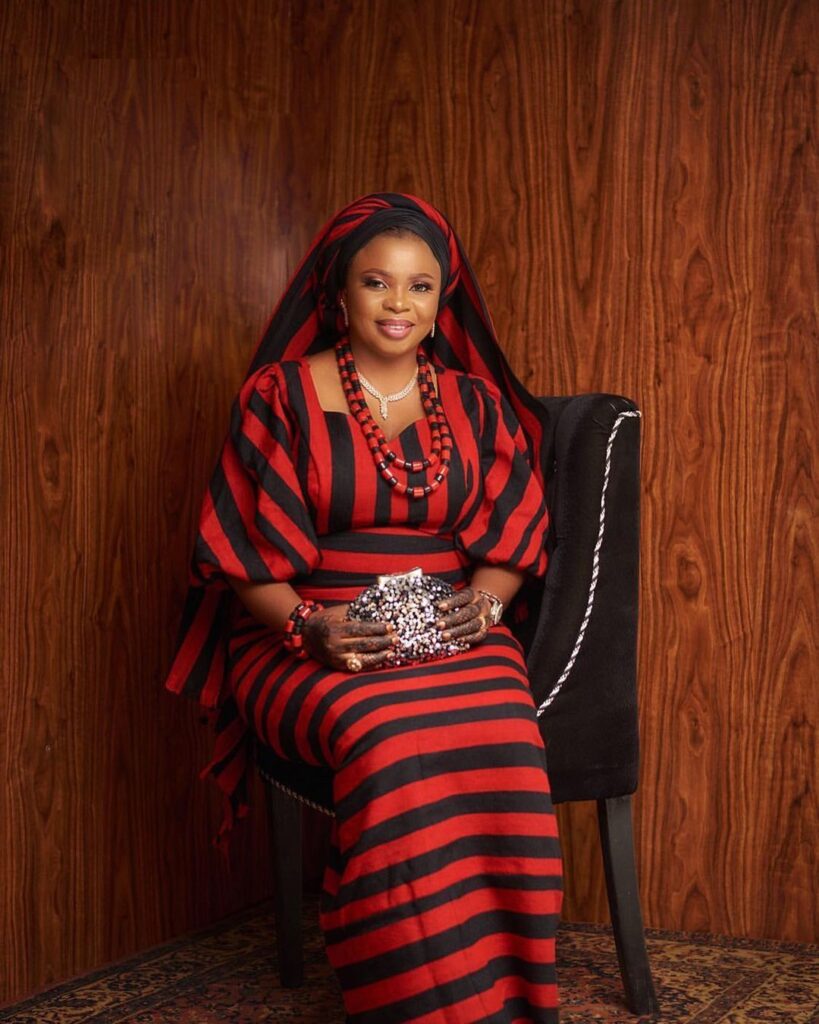
The Idoma traditional fabric, Atu, is made of red and black.
Meaning of Idoma Colours
- Black: Death, modesty, belief in life after death
- Red: Power, bravery, ancestral authority
The Och’idoma, the paramount ruler, wears this attire during festivals, marriages, and official ceremonies.
READ ALSO:
- The Fulani Nomadic Lifestyle: Culture, Cattle, and Community
- The Ndola People of Taraba State: History, Culture, Festivals & Traditions
- 10 Most Spoken Languages in Rivers State & Their Origin
Idoma Traditional Marriage Rites Explained
Marriage follows three main stages:
-
Introduction (Okonù ó hetu ache)
Formal family introduction with kolanuts and drinks. -
Date Fixing (Échi ónya omiê)
Families agree on the marriage date and symbolic payments. -
Traditional Marriage (Échi onya olé)
Bride price negotiation (Ojuju) and final rites.
Bride price is symbolic, and in some communities, it is returned to the groom to show that a daughter is not for sale.
Idoma Festivals and Cultural Celebrations
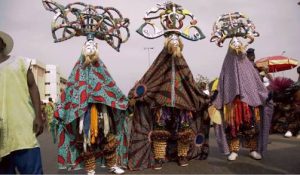
Eje Alekwu Festival
Held annually between March and April, this festival celebrates:
- Ancestral spirits
- Fertility
- Communal unity
Masquerades known as Alekwu Afia perform poetic chants tracing genealogies and moral values.
Alekwu: The Ancestral Spirit of the Idoma
The Alekwu represents ancestral spirits who:
- Protect families
- Enforce morality
- Punish wrongdoing
Alekwu beliefs regulate social behaviour, justice, and spiritual balance within Idoma society.
Religion of the Idoma People
Idoma religion centres on:
- Owoicho – Supreme God
- Aje – Earth goddess
- Alekwu – Ancestors
- Alelekwu – Spirits
These beliefs form a unified spiritual system guiding everyday life.
Frequently Asked Questions About the Idoma Tribe
What Is Idoma Traditional Dance?
Ogirinya is the most popular Idoma dance, known for energetic jumps and fast footwork.
What Is Idoma Traditional Food?
Okoho soup, made from the Cissus populnea plant, is a popular delicacy served with pounded yam, eba, or semo.
Who Is the Traditional Ruler in Idomaland?
The traditional ruler is the Och’idoma.
What Is the Burial Rite in Idomaland?
Traditionally, married women are buried in their father’s compound, not their husband’s village.
Who is the current ruler of the Idoma people?
The traditional ruler of the Idoma people is the Och’Idoma. As of 2025, His Majesty Edwin Ochai holds the title, leading cultural, traditional, and ceremonial affairs in Otukpo and the broader Idoma region of Benue State, Nigeria.
This article is part of our ongoing effort to document traditions and heritage across the country. Explore the diverse tribes of Nigeria to discover more stories like this.

Leave a Reply